

the cost of frictionless design & what the early internet can teach us
on reclaiming exploratory attention, digital pollination, and the slow web we lost (and might be rebuilding)

the early internet had a warm friction to it. it opened a world of sensations to explore, a computational magic in your local family computer. the promised journey you could embark on from the comfort of your home/library desk chair: bright gifs and unreadable fonts, red on blue text color choices like a bruise, paint-splattered collages, photos that loaded in slow, pixelated strips. chaos, but the kind you want to run your hands through. it felt alive, yearning for you to stay in there, slowly. buttons like digital grey boxes and yves klein blue links, star ratings drawn by a hopeful child (who was, in reality, some IT guy in his 30s). more than anything, it was a meadow waiting to be pollinated.
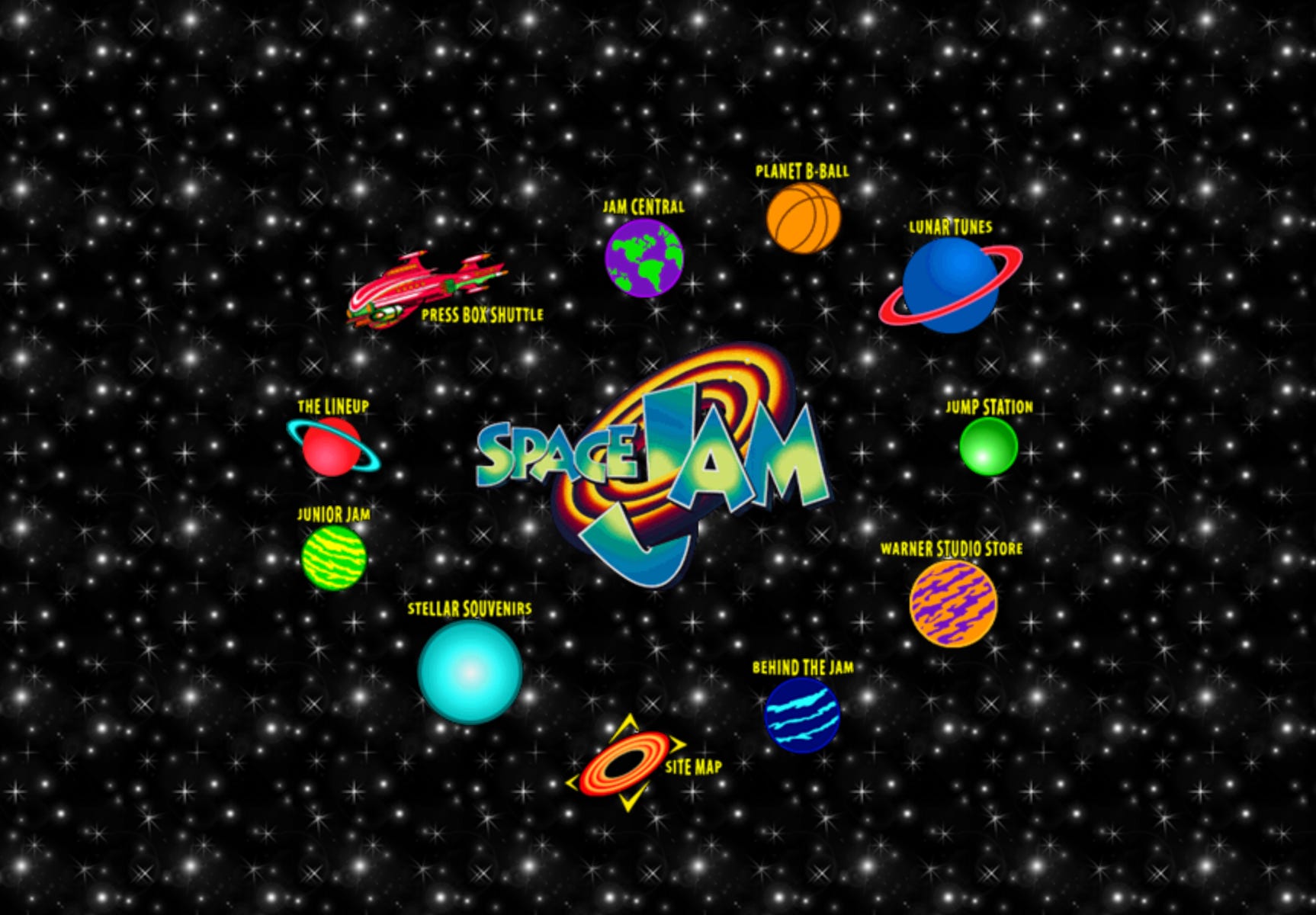
this was an era when people made things digitally, and launched them onto the web just because they could; not for an audience, not for an algorithm - just buzzing into the unknown like searching for alien life - someone, somewhere, that would read/watch what you did, what you said, and engage with it. the world wide web was a new way of communicating, wild and decentralised; blooming with ease from the seeds of human creation.
can you recall weird flash games with haunted soundtracks, its webpages with spinning skull gifs, html sites with marquee text and mp3s that played whether you wanted them to or not? audacity remixes layered over windows movie maker animations (my first ever editing software!!)? remember three-part youtube uploads? back when ten minutes was the limit and you had to click through, part by part, just to learn how to beat a boss in a game? or my favourite type of content, to secretly watch when my parents weren’t around:
this network of interactions and creation was a patchwork quilt stitched by strangers, with an eerie familiarity. you didn’t have to please a machine to feel as if you had a cyber footprint, and that footprint would be found.
like a living cyber-ecosystem, we cross-pollinated ideas: mp3 downloader website urls were currency for sparking friendship, teens would burn their favourite tracks onto cds. everything moved laterally and into the real world.
as a kid, i’d often write my favourite websites on sticky notes and gift them to whoever i thought was “cool” enough to enjoy them, in the computer room. digital users were content dealers irl — whoever found the good stuff first had to spread the word. internet was god, and a scavenger hunt.
in a book i bought in a charity shop years ago, i read someone’s prediction about what the internet would become (in the 90s). Manuel Funk wrote:
one of the most amazing interactive situations is that between a baby and its environment — no experience, lots of information. creating a feeling of immersion with a healthy proportion of fun to frustration will be the most important thing in exploring interactivity for the future.
this was a vision of play, of experiential design that makes space for trial, texture, emotion in the internet, not of commercial efficiency. and we’re still building it — quietly, stubbornly — on the edges of platform algorithms. small creators are coding custom sites from scratch again. people are 3d printing physical tools from open-source blueprints. ordinary people, from ordinary places, are uploading hour-long videos titled "this video will find you and only you." some users even go as far as leaving the youtube title empty. you cannot find these unless someone shares them with you, or your algorithm picks up that you might crave a bit of that - curated playlists, hidden gems, pebbles for pebbling with friends again.
the best corners of the internet today are slightly weird and messy again, interactive, not addictive. most of all, they make you think about what you just saw, how you want a friend to know about it too, or to simply be there.
we’re starting to be able to let go of social media's echo chambers and replacing our time with hand-coded guestbooks. instead of being promoted products that capitalize on mass loneliness, some people (perhaps, you, included) are starting to flip through the pages of these very-alive archives.
what emerges when we engage with this content is a sort of forgotten memory lit up again, buzzing away the promise that multi-user interactivity, with agency in each click, is coming to us again. maybe it never left, truly.
searching consciously is hard, but possible. keywords still work, yet on youtube i’m afraid you just have to get into some handed-over rabbit holes to find the juices still alive. still, search. keep searching.
somewhere along the way, we swapped the pollinating model for something more extractive where attention is the coin and friction dissolved. endless scroll is now the norm, even if its creators now heavily regret what it has done to us.
from a cognitive science perspective, this shift maps neatly onto the difference between exploratory attention and reactive attention. the former is curious, lateral, slow—like a bee in a field. the latter is urgent, narrowed, treadmill-fast.
perhaps where we are now - the endless scroll, the mindless consumption without pause, the embedded over-optimisation as if everything is a product to be consumed - is simply what happens when too much digital social complexity emerges; but my gut tells me otherwise. the design of our tools is political, and it will always reflect the interests of those who think attention is to be farmed, instead of nurtured.
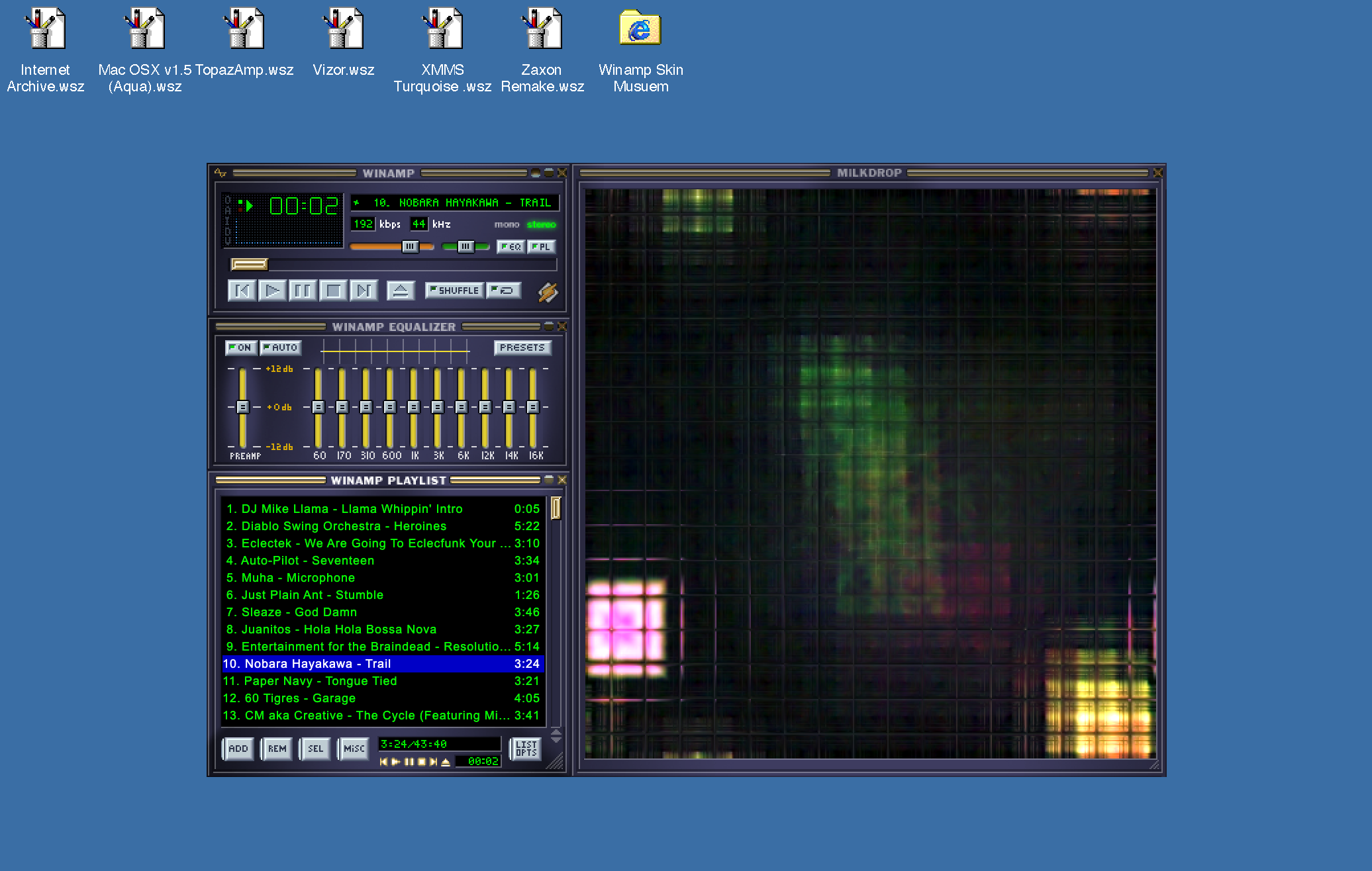
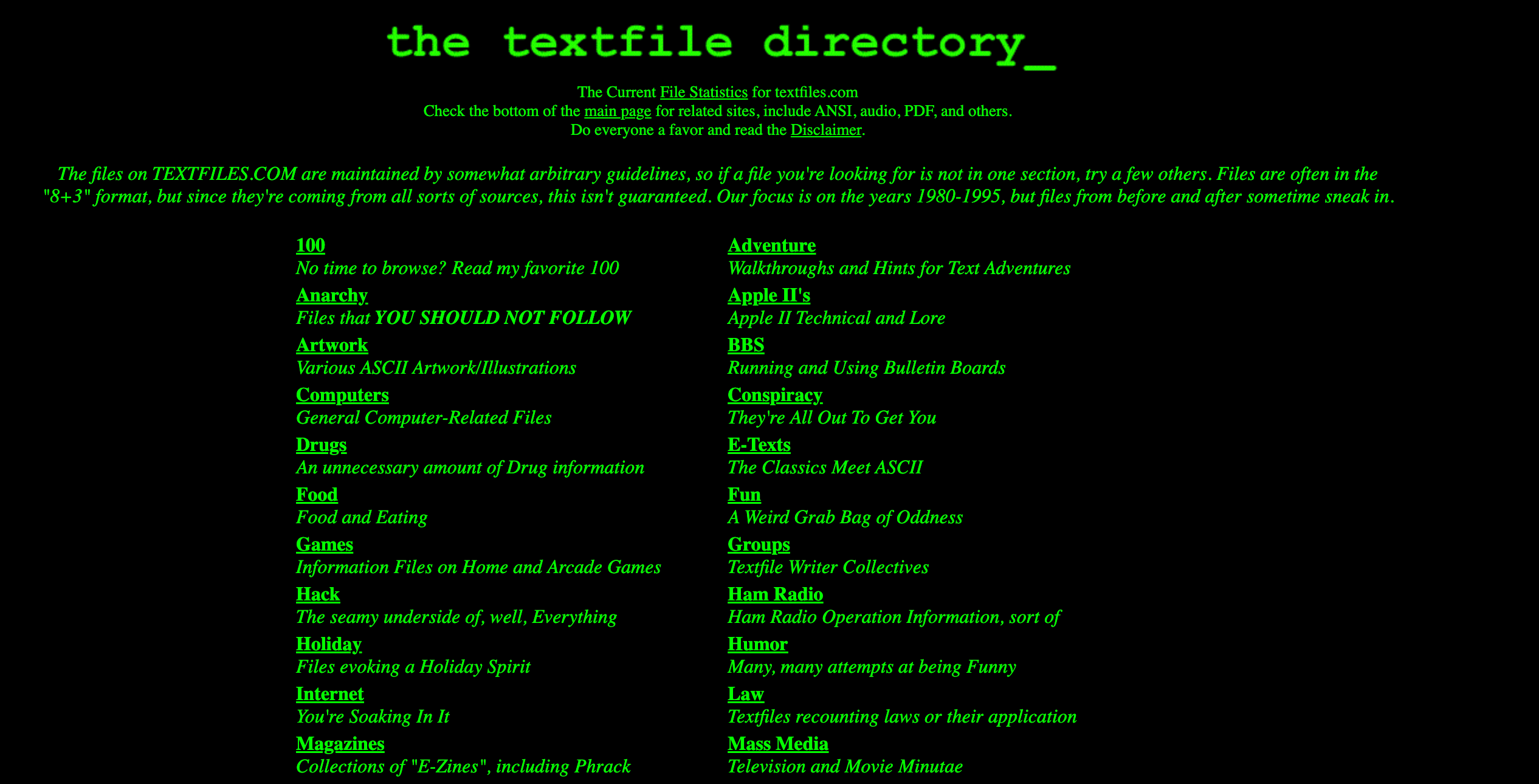
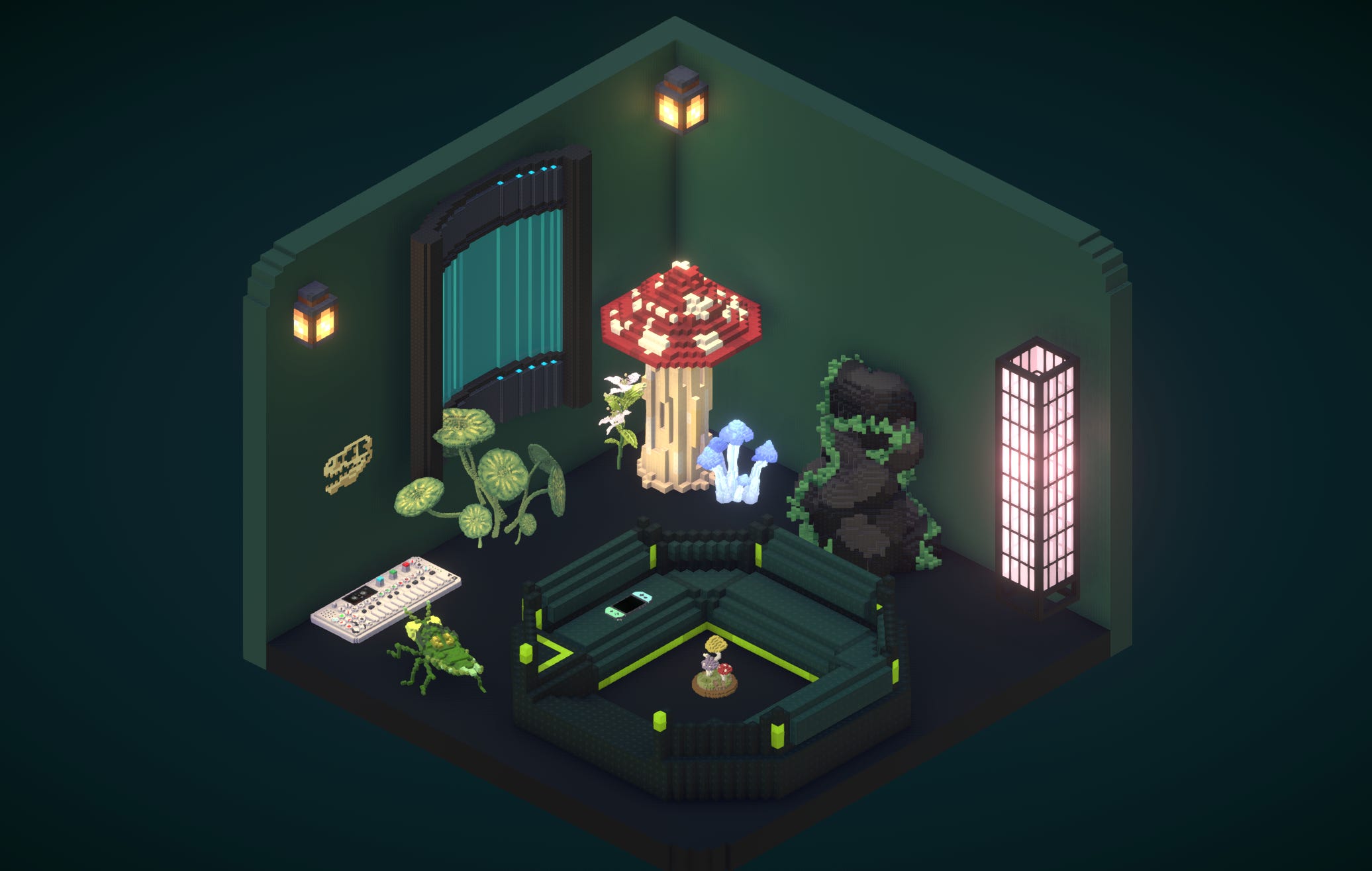
worry not: just because the ecosystem was pruned, it doesn’t mean the seeds aren’t still here. it is up to small creators, with small ideas, tuned into what they find meaningful, to cast away their pheromones for those wanting to escape the race. see very cool examples of (here and now!!!!) websites that instigate contemplation + exploration: the useless web, a website anyone can edit, a curated personal website that resembles that early feeling, music player nostalgia, rooms.
*** i’m not a purist: i like optimised, clean-looking websites, i value navigation efficiency, i value clarity... but this type of content reminds us of what there is, besides what we collectively converged towards - and maybe it’s worth reflecting upon the things we lost, why we lost them, and if some are worth considering bringing back. ***
reclaiming the best parts of the internet means thinking ecologically again: designing for drift, not stickiness; prioritising discoverability over retention; leaving trails: hyperlinks, footnotes, references; make things that send people elsewhere — hopefully to a friend via text, sharing long-form content that will add to their awareness rather than extract from it.
there is plenty of room for spaces that aren’t the most advanced-looking, or efficient — but that invite contribution, mystery, and slowness. maybe we could even learn from those spaces, irl.
i’ve started a public playlist with some of the types of videos that bring me some wonder, and hope about bringing back some of this early ambience - content that keeps us optimistic that there is still a big hive out here, wanting to connect. let the bees buzz. let the meadow bloom again.
as always, take what resonates. i’m excited to hear your thoughts, to be humbled, and explore. thank you for reading.